Is Your Business Ready for a Washington L&I Safety Inspection?
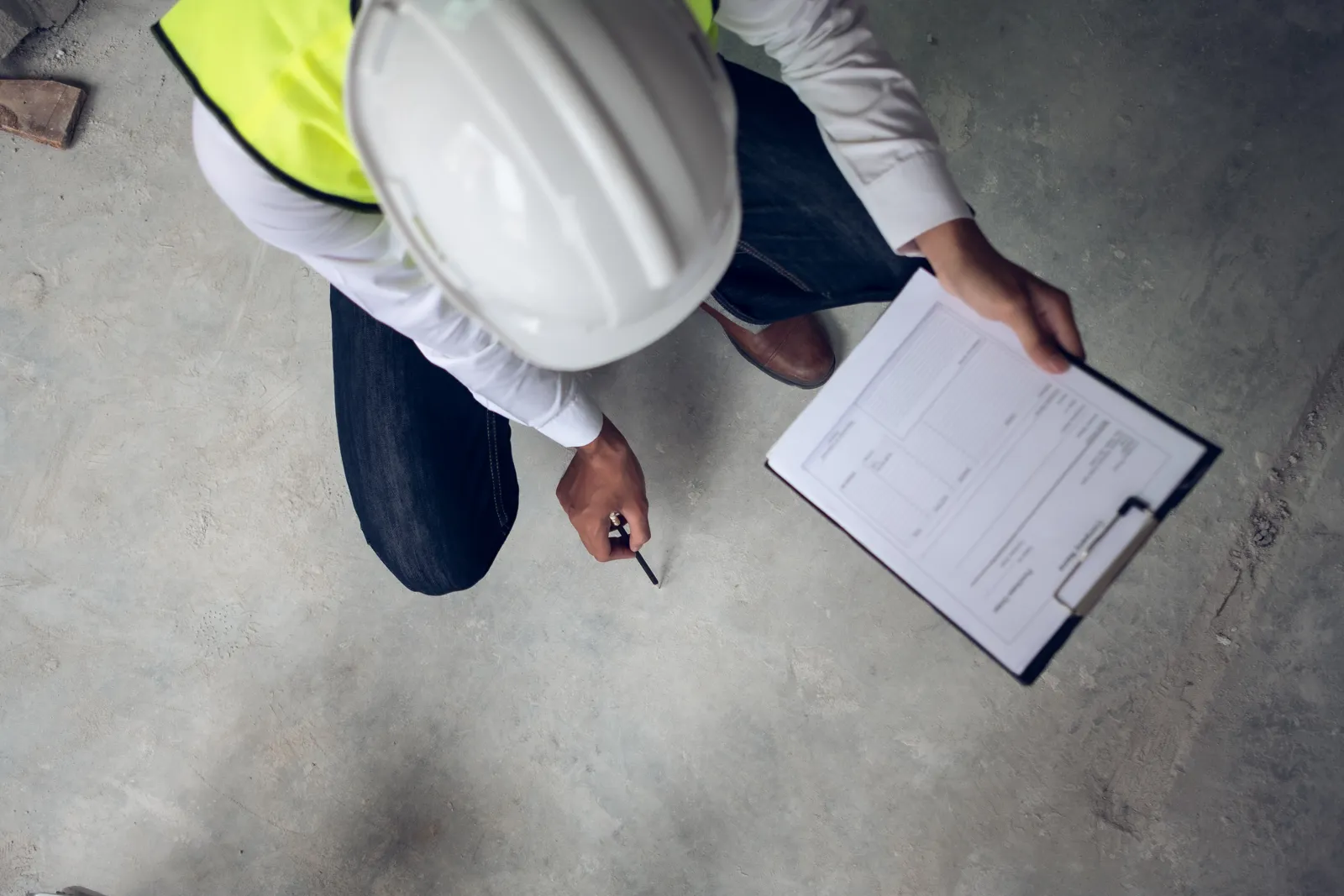
A Washington business is ready for an L&I safety inspection when it has a written Accident Prevention Program tailored to its hazards, documented employee training, maintained equipment, the right PPE, a current hazard communication program, and a working emergency plan. Most inspections arrive without advance notice, so the time to check those areas is before an inspector walks in, not after.
When was the last time your business took a serious look at its workplace safety procedures? For many owners, safety feels under control until an accident happens, an employee raises a concern, or an inspector arrives at the door. Whether you run a construction company in Yakima, a manufacturing facility in the Tri-Cities, a warehouse in Moses Lake, or a service business in Wenatchee, workplace safety needs to be an ongoing priority. Being unprepared for an inspection can mean citations, financial penalties, operational disruptions, and unnecessary risk to employees.
At A/F Business Solutions, we help employers throughout Central Washington identify workplace hazards, evaluate existing safety programs, and prepare before an inspection becomes an unexpected problem.
What is a Washington L&I safety inspection?
The Washington State Department of Labor & Industries (L&I), through its Division of Occupational Safety and Health (DOSH), conducts workplace inspections to evaluate compliance with safety and health regulations. Many employers know federal OSHA, but most private-sector workplaces in Washington are regulated by Washington's state-operated occupational safety and health program.
Inspections may be initiated for several reasons, including:
- Employee safety complaints or referrals
- Workplace accidents or serious injuries
- Reports of imminent danger
- Follow-up inspections
- Planned inspections targeting certain industries or workplace hazards
Because many inspections happen without advance notice, employers should maintain safe working conditions and current documentation all year long.
What do inspectors review during a workplace safety inspection?
These are the 7 areas most likely to come under review, and the ones worth checking first.
1. Your written Accident Prevention Program
Washington requires employers to have a written Accident Prevention Program (APP) tailored to the hazards and activities of the business. A generic document that has never been customized or updated may not adequately address your workplace. An effective program outlines safety responsibilities, employee orientation, hazard reporting procedures, emergency response information, and other applicable requirements.
A construction business in Ellensburg faces different hazards than an office in Yakima or a manufacturing facility in Pasco, and your program should reflect those differences. A/F builds and updates written safety programs and manuals that match how your business actually operates.
2. Employee safety training and documentation
Providing safety training matters, and so does documenting it. Depending on your operations, training requirements may involve:
- Forklift operation and workplace evaluations
- Hazard communication
- Personal protective equipment
- Emergency response procedures
- Respiratory protection
- Lockout/tagout procedures
- Fall protection
- First aid and CPR, where required
Keep records that match the training requirements that apply to your workplace. A/F provides workplace safety training, including forklift and powered industrial truck certification, to help businesses strengthen employee knowledge and keep training organized.
3. Equipment, machinery, and workplace hazards
Even experienced employees can run into serious hazards when equipment is poorly maintained or safeguards are missing. Common areas to review include machine guarding, forklift traffic, electrical safety, material storage, ladder use, and walking surfaces.
A busy distribution warehouse in Kennewick may have significant pedestrian and forklift interaction risks, while a construction company in Wenatchee may need to focus heavily on fall protection and equipment safety. Identifying hazards before an incident helps protect employees and minimize business interruptions.
4. Personal protective equipment
Does your team have the right personal protective equipment for the hazards of their work? Depending on the job, employees may need protective eyewear, gloves, hearing protection, safety footwear, respiratory protection, or other equipment. Employers have to assess workplace hazards and meet the relevant PPE requirements.
Buying the equipment is only the first step. Employees also need to understand how to use it, maintain it, and recognize its limits.
5. Chemical safety and hazard communication
Businesses that use hazardous chemicals have additional responsibilities involving chemical inventories, Safety Data Sheets, labeling, and employee training. This affects a wide range of industries, including manufacturing, agriculture, automotive repair, cleaning services, and construction. Employees should understand the hazards of the chemicals they work with and the procedures in place to reduce exposure. For a full walkthrough, read our HazCom review for Washington employers.
6. Workplace air quality and industrial hygiene
Not every workplace hazard is visible. Employees may be exposed to airborne contaminants such as welding fumes, dust, chemical vapors, and other substances that affect occupational health. Industrial hygiene air sampling evaluates employee exposure under actual working conditions.
For employers in Yakima, Richland, Pasco, Moses Lake, and surrounding industrial communities, exposure assessments can be an important part of an effective safety program. A/F offers industrial hygiene air sampling to help employers understand potential airborne exposure risks.
7. Emergency preparedness
Would your employees know what to do if a serious emergency happened during their shift? Workplaces should evaluate emergency procedures based on the hazards present, including evacuation, employee communication, first aid resources, and emergency equipment.
Depending on the business, preparation may also include CPR training, AED access, first aid training, and severe bleeding response. A/F offers CPR, First Aid, AED, and Stop the Bleed training to help teams prepare for workplace emergencies.
Why should a business get a pre-inspection safety assessment?
Waiting until an L&I inspector arrives is the wrong time to discover that your safety procedures are outdated or that employees are working around preventable hazards. A proactive workplace safety assessment lets you evaluate your operations before problems escalate.
A professional assessment can help identify:
- Hazards that require corrective action
- Gaps in written safety policies
- Training and documentation concerns
- Equipment or operational safety issues
- Opportunities to improve emergency preparedness
- Areas where exposure monitoring may be appropriate
A private safety assessment does not replace a regulatory inspection or guarantee that an employer will avoid citations. It does give management clear insight and a prioritized list of meaningful safety improvements. Between assessments, our monthly workplace safety checklist keeps the basics on track.
Workplace safety consulting for Yakima, Tri-Cities, Ellensburg, Moses Lake, and Wenatchee
Not every company has the resources to employ a full-time safety director, and that doesn't mean workplace safety should be overlooked. We work with businesses across Central Washington to provide practical safety support tailored to their industries, employees, and operations.
Our services include workplace safety assessments, written safety programs and manuals, safety training, industrial hygiene air sampling, emergency preparedness training, and ongoing safety consulting. Whether your company is in Yakima, Selah, Sunnyside, Kennewick, Richland, Pasco, Prosser, Ellensburg, Moses Lake, or Wenatchee, our goal is to help you identify hazards, strengthen safety practices, and protect the people who keep your business running.
Don't wait for an inspection to find out where your business stands
Workplace safety is about more than checking boxes or meeting minimum requirements. It's about building an environment where employees understand the risks, management takes hazards seriously, and everyone has the information they need to work safely. If you're unsure whether your written programs, training records, or daily practices meet applicable safety requirements, now is a good time to evaluate them.
Protect your employees and strengthen your safety program. To schedule a safety consultation, call Andrew for safety at (509) 654-0332.
Frequently asked questions
Does L&I give notice before a safety inspection?
Usually not. Many Washington L&I inspections happen without advance notice, which is why employers should keep safe conditions and current documentation in place year-round.
Is a written Accident Prevention Program required in Washington?
Yes. Washington requires employers to have a written Accident Prevention Program tailored to the hazards and activities of their workplace.
Who enforces workplace safety in Washington, OSHA or L&I?
For most private-sector workplaces, Washington's state-operated program through L&I's Division of Occupational Safety and Health (DOSH) enforces workplace safety and health rules.
Does a private safety assessment prevent citations?
No assessment can guarantee you will avoid citations. A professional assessment identifies hazards and program gaps early so you can correct them before an inspection.